I haven’t talked much about it here, but if you follow my socials, you know I’ve done a major deep dive into the American Revolution to prep for a future historical romance (which is plotted in its entirety, I just haven’t written a word of it yet).
It’s actually been an interesting road, because even though I thought I knew a lot, I really knew hardly anything. So y’all can look forward to some mini history lessons in the future.
But because I like to be thorough, this also means I’m embarking on a couple of immersive research paths. This will include historical sewing (which I attempted to get into about thirteen years ago), once I learn how to actually sew, and historical foods and drinks.
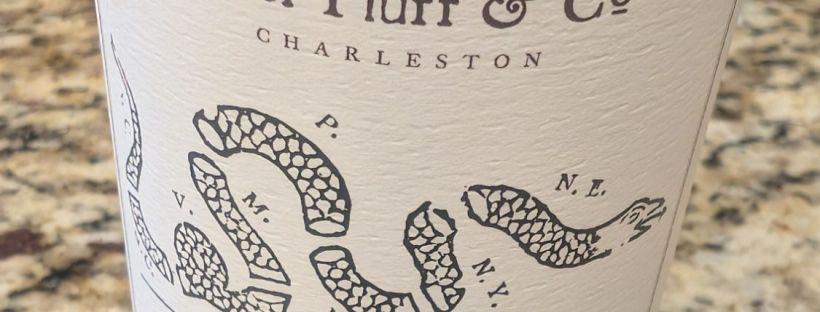
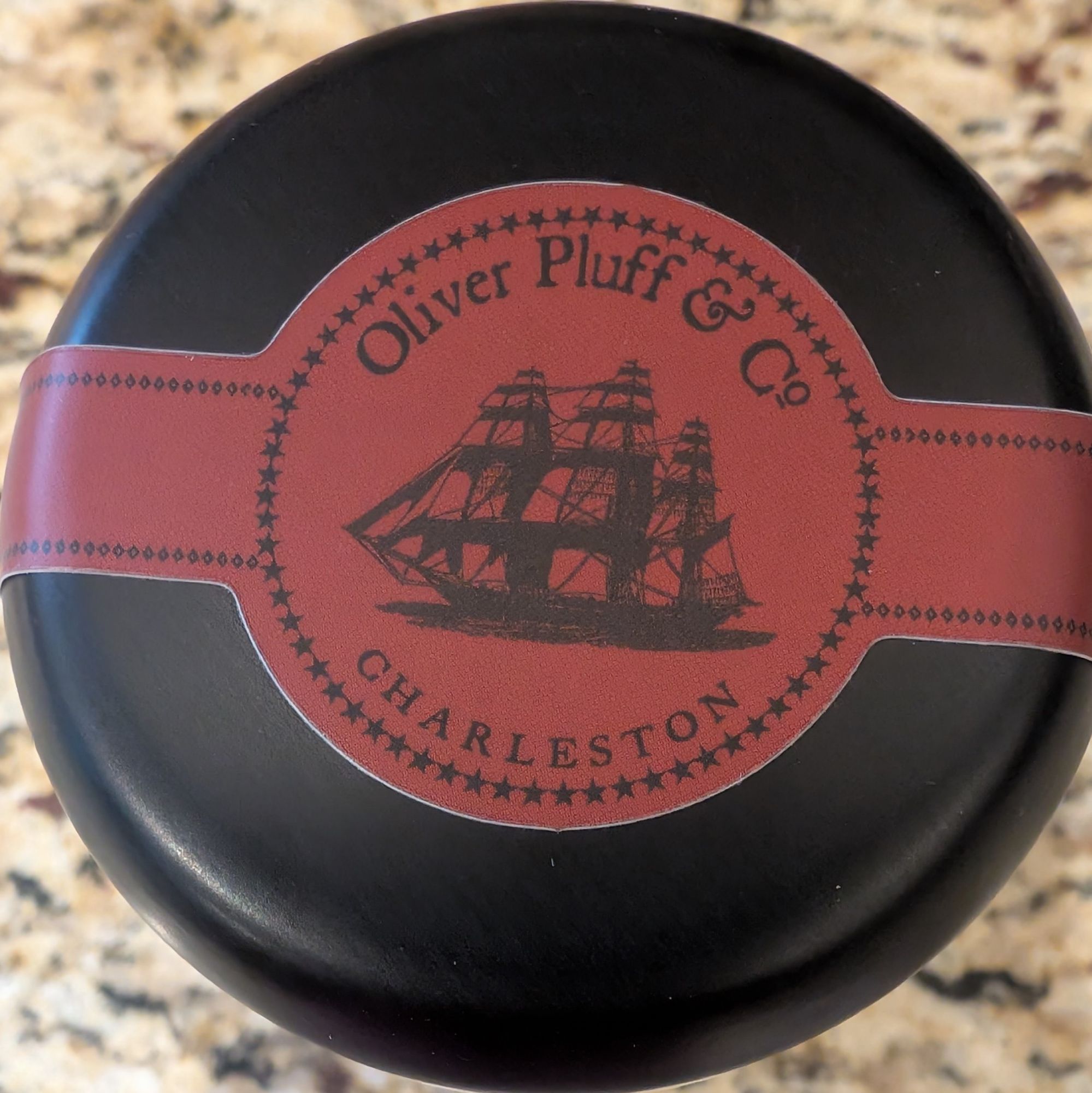
To that end, I caved to curiosity about an ad that kept popping up on Facebook for Oliver Pluff & Company. They are a small business out of Charleston that specializes in teas, coffees, and other beverages inspired by the Colonial and Early American eras.
Like, we’re talking historical teas. The teas that fueled the Revolution. The literal types of teas thrown overboard in the Boston Tea Party in 1773.
Of COURSE I had to buy some.
For research.
Disclaimer: I am in no way being compensated by Oliver Pluff & Co. for this post. In fact, I am compensating them for their historical awesomesauce. But they did like my Instagram posts about their tea!
To ensure that my research started off on the right foot, I decided to get their “Taste of the Colonies Trio”, which is a tin each of cacao tea, coffee (mostly for my husband, but I will have to try a small cup), and Bohea tea.
So far, I’ve tried the Bohea, and I have thoughts.
But first, some history…
You could literally write books about how tea and the tea trade influenced life in the thirteen British colonies (and people have, in fact), but for the sake of relative levity, I’ll try to give a short-ish overview.
“The Americans use much tea. The greatest mark of civility and welcome they can show you, is to invite you to drink it with them.” ~ Abbé Robin, New Travels Through North America, 1781
Tea was first introduced in the colonies in the 1640s, thanks to Dutch traders bringing it into New Amsterdam (the future New York). At first, it was primarily a drink for the wealthy, because it wasn’t exactly cheap. I mean, it had to come all the way from China – the only place in the world (at the time) where it was natively grown. The British would eventually introduce tea, as a crop, to India, but for our purposes, China was the source.
Once the British gained control of Dutch holdings in what is now New York, tea and teatime became even more entrenched as a social must-have for the upper classes. The traditions of British afternoon tea and all its accoutrements soon crossed the Atlantic Ocean and became a major element of colonial life.
“The ladies here visit, drink tea and indulge every little piece of gentility to the height of the mode…” ~ Joseph Bennett describing Boston women, 1740
“[T]heir breakfast is tea, commonly without milk…. In the afternoon about three o’clock tea was drunk again…” ~ Peter Kalm, 1749
The East India Company (EIC) became the primary (aka sole) purveyor of tea in Britain and it’s colonies, but while its availability increased, its price made it something only middle class and wealthy colonists could enjoy on the regular. Obviously, anyone not part of the wealthiest echelons of society wasn’t serving tea in expensive silver pots or anything like that. But it did spawn a whole market for tea-related items, from kettles to creamers, even “tea water“! By the 1720s, tea consumption in Britain’s North American colonies had reached into the millions of pounds annually.
As students of history know, tea became a flashpoint for the growing tensions between the colonies and the Crown.
Skipping (for now) a lesson on the various Parliamentary acts put into place in the decade after the close of the French & Indian War, all of which were intended to help refill Britain’s exhausted coffers by taxing the North American colonies for the first time, and the subsequent war cry of “No Taxation Without Representation”, it’s important to know that the tax on tea was the sole tax that remained on the books by the time of the Boston Tea Party in 1773.
The tax itself was actually relatively small, but it was the principle of the thing!
Even before the “tea parties” in Charleston, Philadelphia, and Boston (yes, there was more than one tea party), calls went out to boycott the teas imported by the EIC, and this actually became one of the most visible ways colonial women could demonstrate their political leanings. But colonists certainly didn’t want to give up the ritual of afternoon teatime, so substitutes of various sorts, commonly just referred to as “liberty teas”, began gracing the tables of Patriot-aligned households.
“Tea made from a plant or shrub . . . was served to a circle of ladies and gentlemen . . . who pronounced it nearly, if not quite, its equal in flavor to genuine Bohea.” ~ Boston Gazette, 1768
So What’s Bohea?
Bohea is a type of tea grown in the Wuyi Mountains of China. (Dutch traders misprounounced Wuyi as “boo-hee”, and it was then written out as Bohea.) Oddly, this was considered one of the lowest grades of tea available for trade, but it became extremely popular in Britain and then its colonies. In fact, the majority of the tea thrown in the Boston Harbor on December 16, 1773, was Bohea.
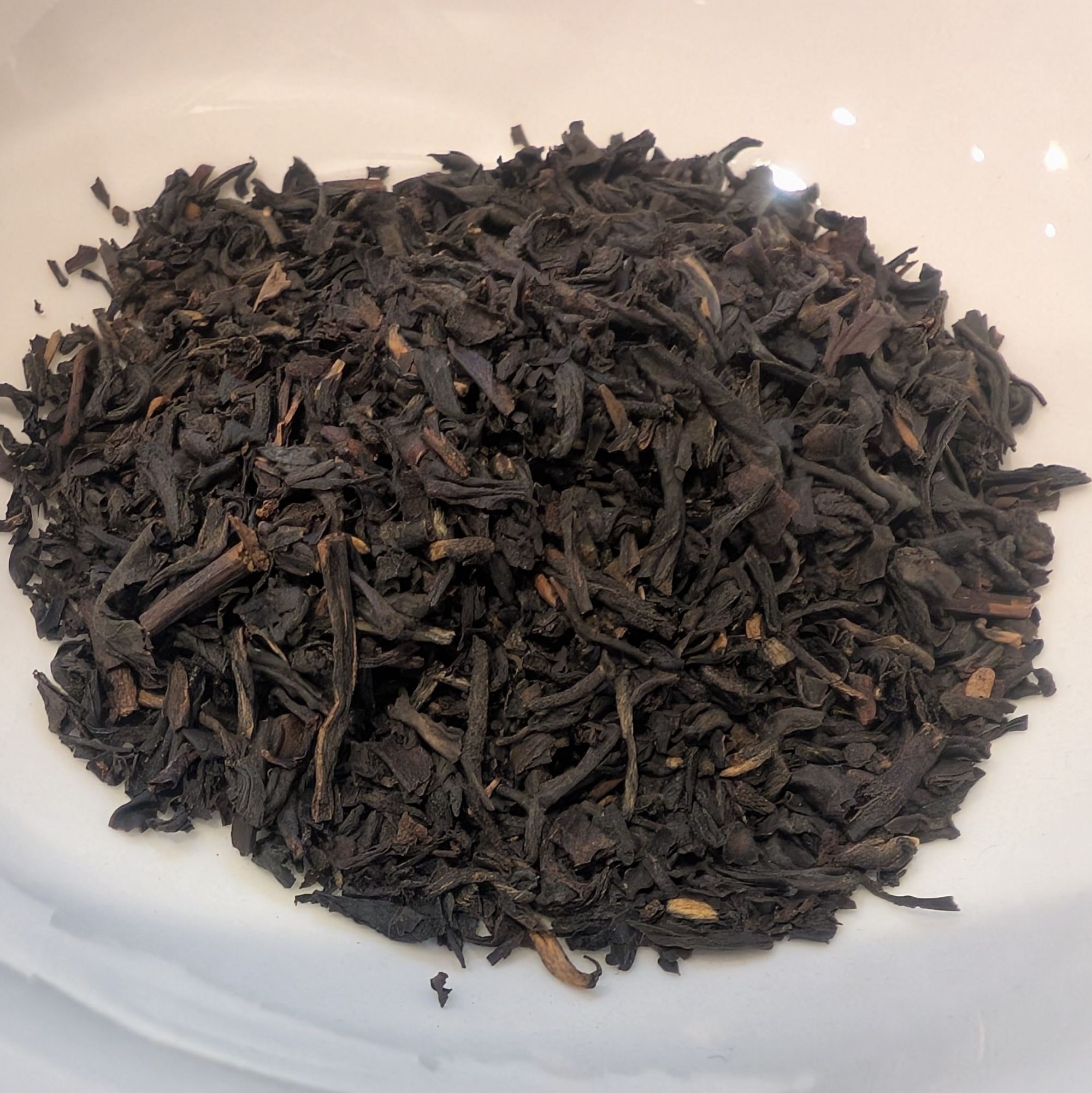
The way it was (and is) prepared for packing and shipping involved letting the fresh leaves dry in the sun and air before then being further dried over pinewood fires. This resulted in a particular scent and flavor that even contemporary 17th and 18th century tea purveyors and consumers described as “smoky.”
And this is the tea I decided to try from Oliver Pluff & Co.
I will be honest… My first impression when I opened the tin was that this tea has a STRONG aroma. And flavor.
My 11 year old said it smelled like bacon. I thought it smelled like when my father-in-law has his woodstove going in the wintertime.
So not a bad smell, but definitely not what I was expecting, especially since I’ve been pretty much drinking nothing but Twinings Darjeeling every day for the past eight years.
Teas are not all the same.
Anyway, because I wanted to give this tea the benefit of the doubt, I did a little more research and learned a few more facts about Bohea.
For one thing, the timeline from harvest to colonial tea table in the 1700s could potentially be up to three years long. So it’s entirely plausible that when colonists were cracking open their tins of tea in the 1760s and 1770s, the scent and flavor had very much mellowed out. (Consider how much fresher my tin of Bohea is, and you can imagine the difference.) In any case, it was a favorite and definitely praised as having a smell and flavor that “exceeds almost any ever imported”, according to an ad in the Providence Gazette in 1773. (Perhaps the advertisers were just trying to sell a product, but it had to have been somewhat true or it wouldn’t have been in such high demand.)
One would assume that my tin is going to mellow over time as well, so this is a bit of an ongoing experiment. After about three weeks of drinking this tea and fiddling with water temperatures and sweetening, I do have to say it’s grown on me. In any case, it’s definitely a cool experience to be able to drink a tea that, in its own way, contributed to American Independence.
Okay, maybe that’s a bit of an exaggeration. But it’s still interesting to drink the same kind of tea colonists were drinking in the years leading up to the Revolution.